Inclusive WASH Introduction
This session introduces the concepts of inclusion and equity in the WASH sector and gives participants a step by step introduction to using the inclusivewash.org.au website’s interactive features. Participants are shown how to use simple tools that relate equity outcomes to all of their WASH work.
The full webinar can be viewed below. To view a full screen version (higher resolution, so that you can read the chat alongside the slides) please click on the ‘View Webinar’ button above or follow this link:
Full Screen Recording of Webinar
Key documents and resources:
Here you can find the key documents releveant to this session. Please take the time to read through them and any questions you may have, please feel free to ask the presenters in our forum here.
Main resource kit:
(Please read and review before joining the webinar. Any questions? Head to our forum)
We will be using two tools to analyse the barriers preventing people from accessing WASH. This framework is based on the social model which is well known in the disability sector. The social model of disability recognises that disabled people are an integral part of society. Rather than concentrating on the impairment, it recognises that barriers to full participation are three fold: environmental, social/attitudinal and institutional. We can use the social model to identify barriers that exclude.
These notes give you some background on the framework being used and some case studies that may help you understand the complex issues of inclusive WASH.
Factors causing marginalisation
When we are talking about different groups of people such as women, people with disabilities and people with chronic illnesses an individual does not fit neatly under anyone label. Any individual may face discrimination for a number of reasons such as their age, sex, disability and so on.
Listen to the audio file below and consider the diagram to get you thinking about all the layers of discrimination a person may face. I’m sure you can think of many more, why not add some to the discussion page?
By identifying and tackling the root causes of exclusion we will be better able to break down those barriers!
Rosie Wheen from WaterAid Australia discusses the different layers of discrimination that occur. What barriers can you think of?
This diagram shows how some groups are pushed towards the margins of society and they are more likely to be excluded from WASH. This is also affected by external factors – such as politics and culture. What other causes of marginalisation would you add?

Image: A panel of speakers in front of ‘A wall of barriers’
Other resources:
Videos:
Louisa Gosling, from WaterAid discusses equity and inclusion in sanitation with Ravi Narayan. This video on recorded at the WSSCC Global Forum on Sanitation and Hygiene, Mumbai, October 2011
Rosie Wheen from WaterAid Australia discusses the different layers of discrimination that occur. What barriers can you think of?
Curtis, V. & Cairncross, S. (2003). The Lancet. The study set out to determine the impact of washing hands with soap on the risk of diarrhoeal diseases in the community with a systematic review with random effects metaanalysis.
Bertram, J. & Cairncross, S. (2010). PLoS Medicine. This is the introductory article in a four-part PLoS Medicine series on water and sanitation. Globally, around 2.4 million deaths (4.2% of all deaths) could be prevented annually if everyone practised appropriate hygiene and had good, reliable sanitation and drinking water.
Kar, K. & Pasteur, K. (2005). Institute of Development Studies England. Community Led Total Sanitation, or CLTS, is an approach which facilitates a process of empowering local communities to stop open defecation and to build and use latrines without the support of any external hardware subsidy.
Cairncross, S. & Valdmanis, V. (2006). In Jamison, DT., Measham, AR., et al. (Eds.), Disease Control Priorities in Developing Countries (2nd ed., ch. 41). Washington (DC): World Bank. Water supply in the context of this chapter includes the supply of water for domestic purposes, excluding provision for irrigation or livestock. Sanitation is used here in the narrow sense of excreta disposal, excluding other environmental health interventions such as solid waste management and surface water draina
Session Facilitators
-
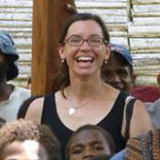 Rosie WheenWaterAid Australia
Rosie Wheen is the equity and inclusion focus person for WaterAid in Australia and Head of International Programs Management
-
 Peter DwanWaterAid Australia
Peter Dwan is WaterAid in Australia’s Head of New Country Programs and Program Effectiveness. Peter also sits as a Chair of the WASH Reference Group – the sector’s community of practice and advocacy working group in Australia
This session is proudly brought to you by:

Upcoming Events and News
-
Wednesday, September 19, 2018
Erick Baetings, senior sanitation specialist at IRC, discusses the eye-opening experience watching a group of Cambodian actors use their talent to portray the difficulties people with disability face when accessing…
Proudly partnered by:


Australian Partners:



International Partners: